Introduction
When Priya Sharma's spice export company in Kerala faced a crisis due to delayed deliveries and rising logistics costs, she realized that piecemeal shipping solutions weren't enough. Her business needed integrated cargo logistics solutions that could handle everything from warehouse management to final delivery seamlessly.
This scenario plays out daily across Indian businesses engaged in international trade. The difference between thriving exporters and struggling ones often lies in their logistics strategy. Smart cargo logistics solutions don't just move goods - they optimize entire supply chains, reduce costs, and create competitive advantages.
The Evolution of Cargo Logistics in Modern India
India's cargo logistics landscape has transformed dramatically over the past decade. From traditional, fragmented approaches to integrated, technology-driven solutions, the industry now offers sophisticated services that rival global standards.
The government's push for digitalization through initiatives like Digital India and the implementation of GST has created a more streamlined environment for logistics operations. Modern logistics providers leverage this digital infrastructure to offer end-to-end solutions that were unimaginable just a few years ago.
Core Components of Comprehensive Cargo Logistics Solutions
Transportation Management: Beyond Basic Movement
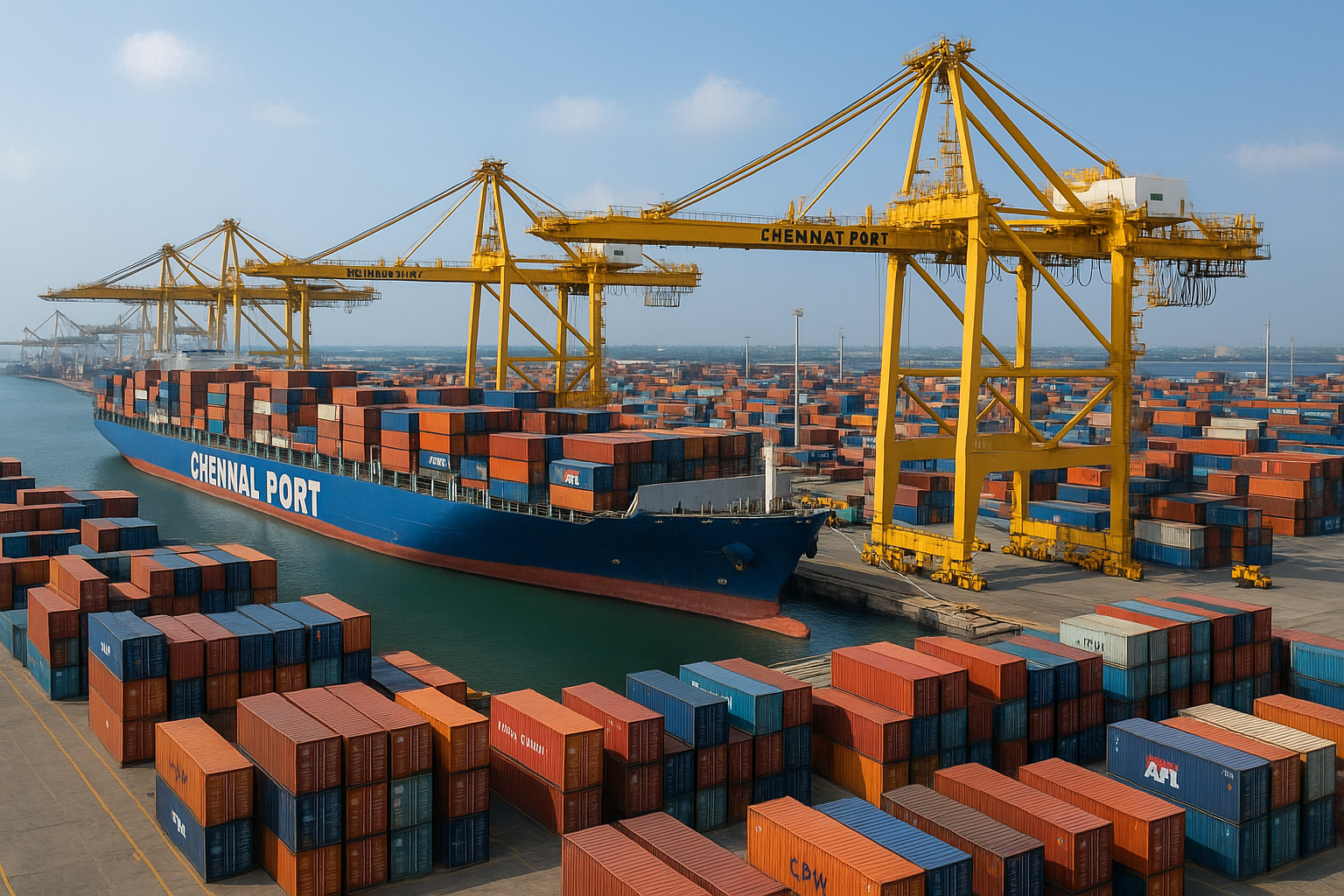
Modern transportation management goes far beyond simply moving cargo from point A to point B. It involves intelligent route optimization, mode selection, and carrier management. For instance, a textile exporter in Surat might use road transport to reach Mumbai port, where cargo transfers to ocean vessels for international delivery.
Smart logistics providers analyze factors like traffic patterns, seasonal variations, fuel costs, and carrier reliability to create optimal transportation strategies. They might recommend rail transport for bulk commodities from northern India to ports, reducing both costs and environmental impact.
Warehousing and Distribution: Strategic Storage Solutions
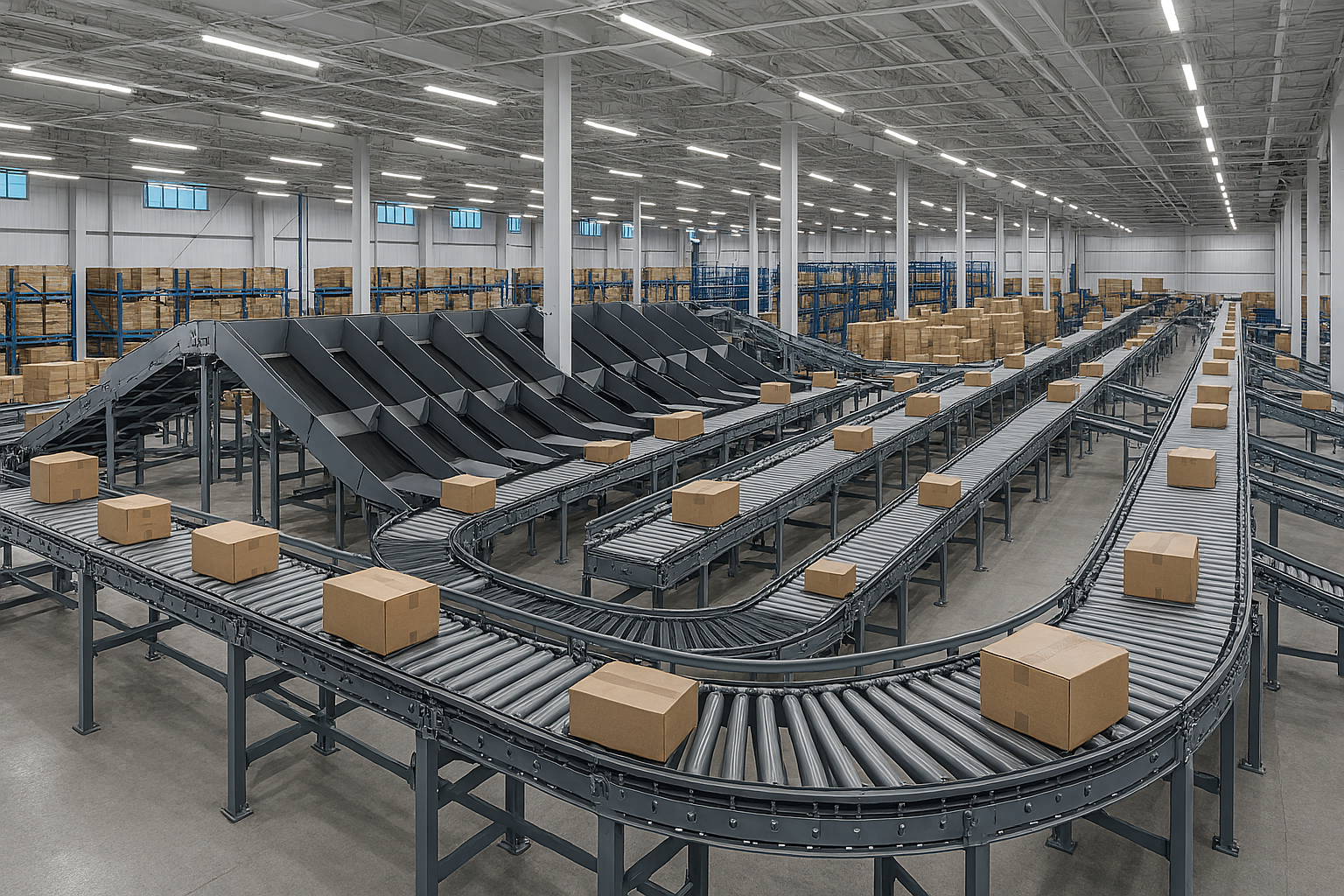
Today's warehousing solutions are far more sophisticated than traditional storage facilities. Modern warehouses near Indian ports offer:
- Climate-controlled environments for sensitive goods
- Automated inventory management systems
- Pick-and-pack services for e-commerce exports
- Consolidation services for multiple exporters
- Value-added services like labeling and quality checks
Consider how a pharmaceutical exporter benefits from temperature-controlled warehousing near Chennai port, ensuring product integrity while enabling efficient container loading for international markets.
Inventory Management: Balancing Act Mastered
Professional logistics solutions employ advanced inventory management techniques that help businesses maintain optimal stock levels. This becomes crucial for seasonal exporters like mango producers who need to manage inventory during short harvest windows while ensuring steady supply to international markets.
Technology platforms provide real-time inventory visibility, automatic reorder triggers, and demand forecasting based on historical data and market trends.
Customs and Regulatory Compliance: Navigating Complex Requirements
Indian businesses dealing with international trade face a complex web of regulations from multiple agencies including DGFT, FSSAI for food products, Drug Controller for pharmaceuticals, and various port authorities. Professional logistics solutions maintain expertise across these regulatory landscapes.
They stay updated on changing policies like the recent amendments to export incentive schemes or modifications in import duties, ensuring your business remains compliant while maximizing available benefits.
The Technology Revolution in Indian Logistics
Digital Platforms and Integration
Modern cargo logistics solutions operate on sophisticated digital platforms that integrate with various stakeholders including shipping lines, customs authorities, banks, and transportation providers. These platforms enable:
- Single-window documentation processing
- Real-time shipment tracking across multiple modes
- Automated alerts and notifications
- Performance analytics and reporting
Artificial Intelligence and Predictive Analytics
AI-powered logistics solutions can predict potential disruptions, optimize routes in real-time, and suggest cost-saving alternatives. For example, if monsoon forecasts indicate potential delays at western ports, the system might recommend routing cargo through eastern ports like Kolkata or Visakhapatnam.
Internet of Things (IoT) Implementation
IoT sensors on containers and vehicles provide unprecedented visibility into cargo conditions. Temperature sensors ensure cold chain integrity for pharmaceuticals, while GPS tracking provides precise location data and estimated arrival times.
Industry-Specific Logistics Solutions
Textiles and Garments
India's largest export sector requires specialized handling for different fabric types, seasonal collection management, and quick response to fashion trends. Logistics solutions include garment-on-hanger systems, specialized packing, and fast-track customs clearance.
Pharmaceuticals and Healthcare
Strict regulatory compliance, cold chain requirements, and traceability needs make pharmaceutical logistics highly specialized. Solutions include validated cold storage, temperature monitoring, and regulatory documentation management.
Agriculture and Food Products
Fresh produce exports require rapid processing, cold chain management, and compliance with international food safety standards. Integrated solutions coordinate harvest timing, processing, packaging, and shipping to maintain product quality.
Engineering Goods and Machinery
Heavy machinery and engineering products need specialized handling equipment, project cargo expertise, and comprehensive insurance coverage. Solutions include route surveys, specialized trailers, and coordination with port authorities for heavy lift operations.
Cost Optimization Through Integrated Logistics
Consolidation Benefits
Smart logistics providers consolidate shipments from multiple exporters, reducing individual shipping costs. A small handicraft exporter can share container space with other artisan exporters, accessing cost-effective sea freight rates previously available only to large shippers.
Modal Optimization
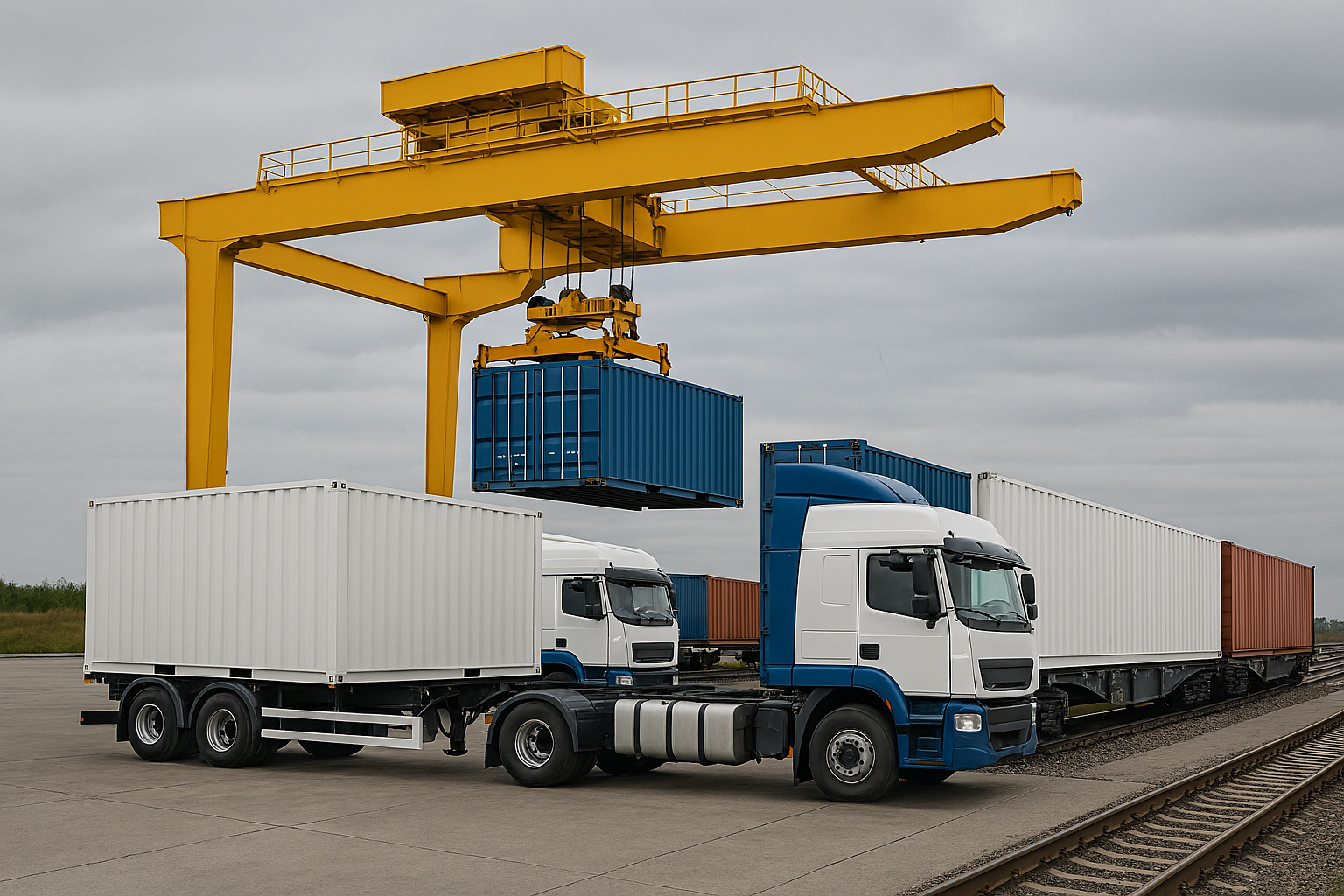
Intelligent mode selection based on urgency, cost, and cargo characteristics can yield significant savings. For example, using rail transport for the inland leg and sea freight for international shipping often provides the best cost-time balance for bulk commodities.
Warehouse Optimization
Strategic warehouse locations near ports reduce drayage costs and enable faster customs clearance. Modern warehouses offer cross-docking services that eliminate storage costs while maintaining shipment efficiency.
Risk Management and Insurance Solutions
Comprehensive Risk Assessment
Professional logistics solutions conduct thorough risk assessments covering political risks, natural disasters, theft, and damage possibilities. They develop contingency plans and alternative routing options to minimize disruptions.
Insurance Integration
Rather than treating insurance as an afterthought, integrated logistics solutions incorporate appropriate coverage into their service offerings. This includes marine cargo insurance, warehouse insurance, and transit insurance tailored to specific cargo types and trade routes.
Sustainability in Modern Logistics
Green Logistics Initiatives
Environmental consciousness drives many logistics innovations. Solutions include carbon footprint tracking, alternative fuel vehicles, optimized routing to reduce emissions, and partnerships with environmentally responsible carriers.
Circular Economy Integration
Modern logistics solutions consider return logistics, packaging reuse, and waste reduction. For exporters dealing with returnable packaging or warranty returns, this becomes a crucial service component.
Performance Metrics and KPIs
Modern logistics solutions provide detailed analytics including:
- On-time delivery percentages
- Cost per unit shipped
- Inventory turnover ratios
- Damage and loss rates
- Customer satisfaction scores
These metrics enable continuous improvement and demonstrate ROI to business stakeholders.
Frequently Asked Questions
Q: How do integrated logistics solutions differ from basic freight forwarding?
A: Integrated solutions manage your entire supply chain including inventory, warehousing, and distribution, while basic forwarding only handles transportation. This comprehensive approach often results in better cost optimization and service quality.
Q: What technology platforms do modern logistics providers use?
A: Leading providers use cloud-based platforms that integrate with ICEGATE, shipping line systems, and transportation management systems, providing end-to-end visibility and automated processing.
Q: How can small exporters benefit from professional logistics solutions?
A: Small exporters can access enterprise-level services through shared facilities, consolidated shipments, and professional expertise that would otherwise be too expensive to maintain in-house.
Q: What should I look for when selecting a cargo logistics provider?
A: Consider their technology capabilities, industry expertise, service coverage, financial stability, and customer references. Also evaluate their ability to scale with your business growth.


